
AddressNear to Gulf Asian Hospital Eastern Region Al Jubail, Kingdom Saudi Arabia.
E-mail
info@reddune.org
Phone +966 53 905 3929
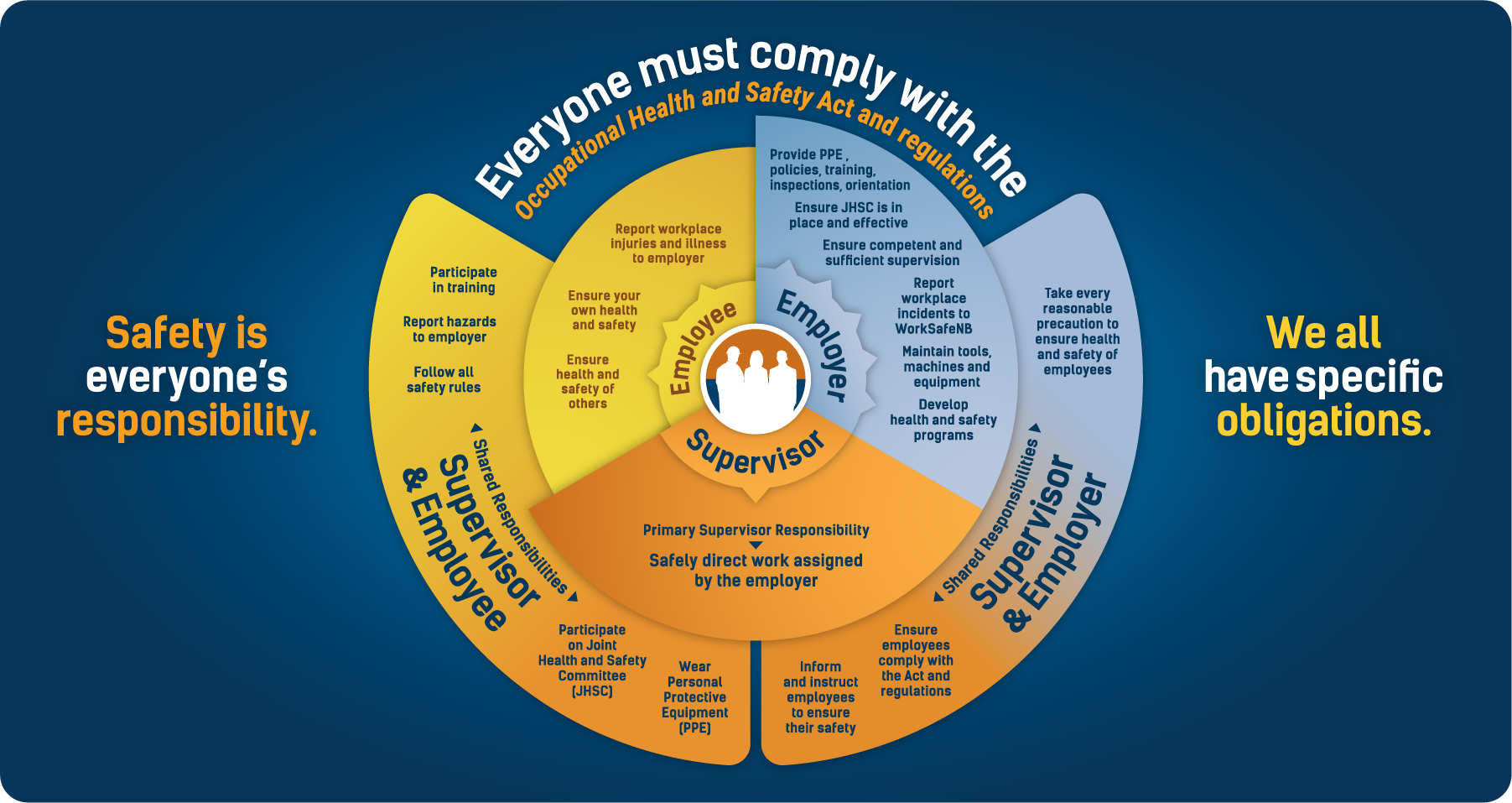
Supervision is the point where safety rules either become real practice or remain just written policies. On paper, standards look complete. On site, conditions change every hour. Supervision sits exactly in that gap. A supervisor’s main role is control and verification. Workers may know procedures, but without someone consistently checking behavior against those procedures, shortcuts start to appear. Most accidents do not come from lack of rules. They come from small deviations that go unnoticed or uncorrected. Supervision limits that drift. There is also the issue of accountability. When supervision is weak, responsibility becomes unclear. Workers assume someone else is watching, management assumes compliance is happening, and risk quietly builds. A present and active supervisor removes that ambiguity by making expectations visible and immediate. Another layer is hazard recognition. A worker focuses on completing a task. A supervisor is expected to step back and see the broader picture. This includes identifying unsafe conditions, conflicting activities, or environmental risks that are not obvious at ground level. Without that wider view, even experienced workers can miss developing hazards. Communication also runs through supervision. Safety instructions, method statements, and risk controls are often written in formal language. Supervisors translate these into practical, task-level instructions. If this translation is weak or inconsistent, the gap between policy and execution grows. Discipline is another part that is often misunderstood. Supervision is not just about enforcing rules after a violation. It is about maintaining a consistent standard so that unsafe behavior does not become normal. When supervisors ignore minor issues, they indirectly approve them, and over time those minor issues become standard practice. Supervision also shapes safety culture. Workers observe what supervisors prioritize. If productivity is always pushed at the cost of safety checks, the message is clear even if policies say otherwise. On the other hand, when supervisors stop work for safety reasons, it signals that standards are not negotiable. Finally, supervision connects management decisions to field reality. Policies are created at a higher level, but supervisors provide feedback on whether those policies are workable under actual site conditions. Without that feedback loop, safety systems become disconnected from real operations. In simple terms, supervision is not an extra layer. It is the mechanism that turns safety standards into daily behavior and keeps them from degrading over time.