
AddressNear to Gulf Asian Hospital Eastern Region Al Jubail, Kingdom Saudi Arabia.
E-mail
info@reddune.org
Phone +966 53 905 3929
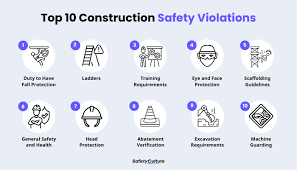
Common safety violations on job sites and their impact Safety violations on job sites are rarely complex. Most of them come from ignoring basic rules, rushing work, or poor supervision. What makes them serious is not the mistake itself, but the chain reaction they create. 1. Not using personal protective equipment (PPE) Workers skipping helmets, gloves, goggles, or safety shoes is one of the most frequent issues. Impact: Head injuries, eye damage, cuts, and fractures. Even a small incident becomes severe because basic protection was missing. 2. Unsafe work at height Missing guardrails, no harness, or improper scaffolding setup. Impact: Falls are among the leading causes of death on job sites. One failure at height usually means a major injury or fatality, not a minor accident. 3. Poor housekeeping Tools left scattered, debris not cleared, and materials blocking walkways. Impact: Slips, trips, and falls. It also slows emergency response and increases overall site risk. 4. Improper use of equipment Using machines without training or operating damaged equipment. Impact: Equipment failure, crush injuries, and serious accidents. One wrong operation can affect multiple workers at once. 5. Ignoring lockout/tagout (LOTO) Working on live equipment without isolating energy sources. Impact: Electrocution, burns, or sudden machine startup causing fatal injuries. This is often catastrophic, not recoverable. 6. Lack of proper training Workers performing tasks they are not qualified for. Impact: Higher error rate, unsafe decisions, and increased accident frequency. Untrained workers also put others at risk. 7. Weak supervision and enforcement Supervisors ignoring unsafe behavior or not enforcing rules. Impact: Violations become normal practice. Over time, risk builds up until a serious incident happens. 8. Failure to follow lifting procedures Improper rigging, overloading cranes, or unplanned lifting operations. Impact: Dropped loads, equipment collapse, and multiple injuries in a single event. 9. Poor hazard communication No warning signs, unclear instructions, or missing safety data for chemicals. Impact: Workers get exposed to risks they don’t even know exist, leading to accidents and health issues. 10. Inadequate emergency preparedness No clear evacuation plan, lack of fire equipment, or untrained response teams. Impact: Small incidents turn into major disasters because the response is delayed or confused.